API guidelines help fleets ensure that diesel exhaust fluid meets high standards.
Originally published on Construction Equipment.

America Petroleum Institute licensed DEF ensures that it meets the high standards required by engine and vehicle manufacturers.
Diesel exhaust fluid (DEF) is a critical component in achieving both optimal performance and compliance with emissions standards. To maximize the benefits of DEF, it’s essential to understand proper purchasing, handling, and storage practices.
Diesel exhaust fluid (DEF) is a blend of technically pure urea and purified water, and it requires proper handling and storage to maintain its quality. In addition, DEF is a vital part of vehicle emissions systems, and those systems should not be altered.
The quality of the DEF is as vital as the quality of the engine oils or fuels. Using America Petroleum Institute (API) licensed DEF ensures that it meets the high standards required by engine and vehicle manufacturers.
Several factors ensure a high-quality product.
Proper storage of DEF is crucial to maintain its quality.
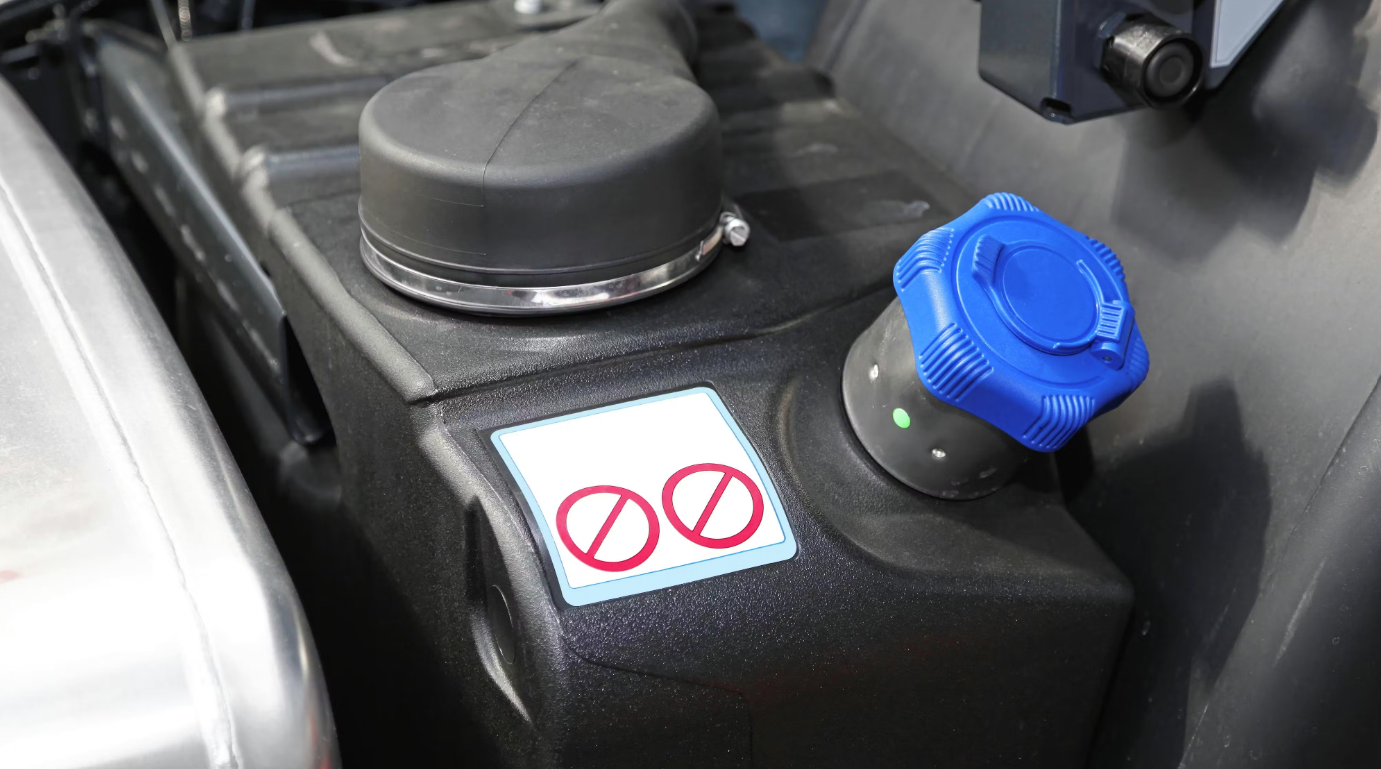
Diesel exhaust fluid (DEF) is a critical component in achieving both optimal performance and compliance with emissions standards.
Handling and storing DEF can be challenging in wintertime. Like water, DEF will expand up to 7% when frozen and can damage a storage tank if it is full or nearly full when it freezes. Keep the tank less than full to eliminate this risk.
Others consideration include:
API’s recently launched DEF Consumer Guidance resource page offers clear guidance to drivers, fleet managers, and others to ensure optimal performance and compliance with emissions standards. A downloadable Do’s and Don’ts Guide for DEF storage is also available as a resource.
Bill O’Ryan is senior manager of EOLCS/DEF at the American Petroleum Institute (API).