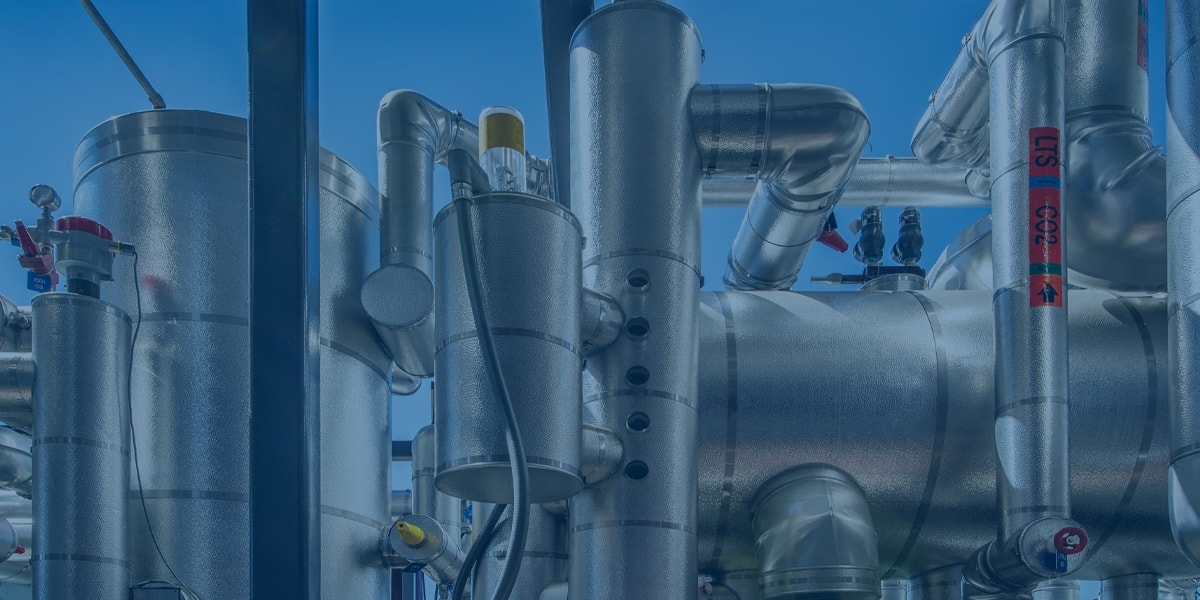
Carbon capture and storage (CCS) technologies capture carbon dioxide (CO2) emissions from industrial sources and geologically store them safely and securely deep underground in well-characterized and extensively regulated geologic formations. CCS technologies include: (1) capturing CO2 from large emissions sources, called point-source capture; and (2) removing them from the atmosphere, called direct air capture.
CCS can be used to lower the carbon footprint of vital, hard to decarbonize industries like cement, steel and manufacturing. These energy-intensive industries need high-temperature heat, often requiring oil and natural gas. Additionally, some industrial processes emit CO2 emissions as a byproduct, known as process emissions. CCS is a promising technology that can capture and store these unavoidable emissions.
API supports the advancement of the research, development, and deployment of CCS, recognizing the role for CCS in reducing global emissions and providing lower-carbon energy and products. Supportive, durable policy frameworks and incentives are critical to enabling the commercialization of CCS and providing U.S. industry opportunities to deploy carbon management technologies.
Several API member companies are owners, operators and developers of CCS projects, building on decades of industry experience of handling and securely storing carbon dioxide.
Hydrogen is increasingly recognized as a valuable pathway for meeting ambitious climate goals – particularly in reducing emissions from hard-to-abate sectors. Expanding the role of hydrogen in decarbonization requires cost-effective production of low-carbon hydrogen from all sources. Today, most hydrogen is produced with natural gas, which, if paired with CCUS, offers a promising and scalable low-carbon fuel source.
API supports policies that advance the technology-neutral development of low-carbon hydrogen and the use of hydrogen in carbon-reduction efforts. API also advocates for and supports policies that advance hydrogen infrastructure buildout – a critical and necessary component of expanding hydrogen demand.